About Geriatric Rehabilitation
Common Issues or Concerns
About Geriatric Rehabilitation
Common Issues or Concerns
When Should You Consider Therapy?
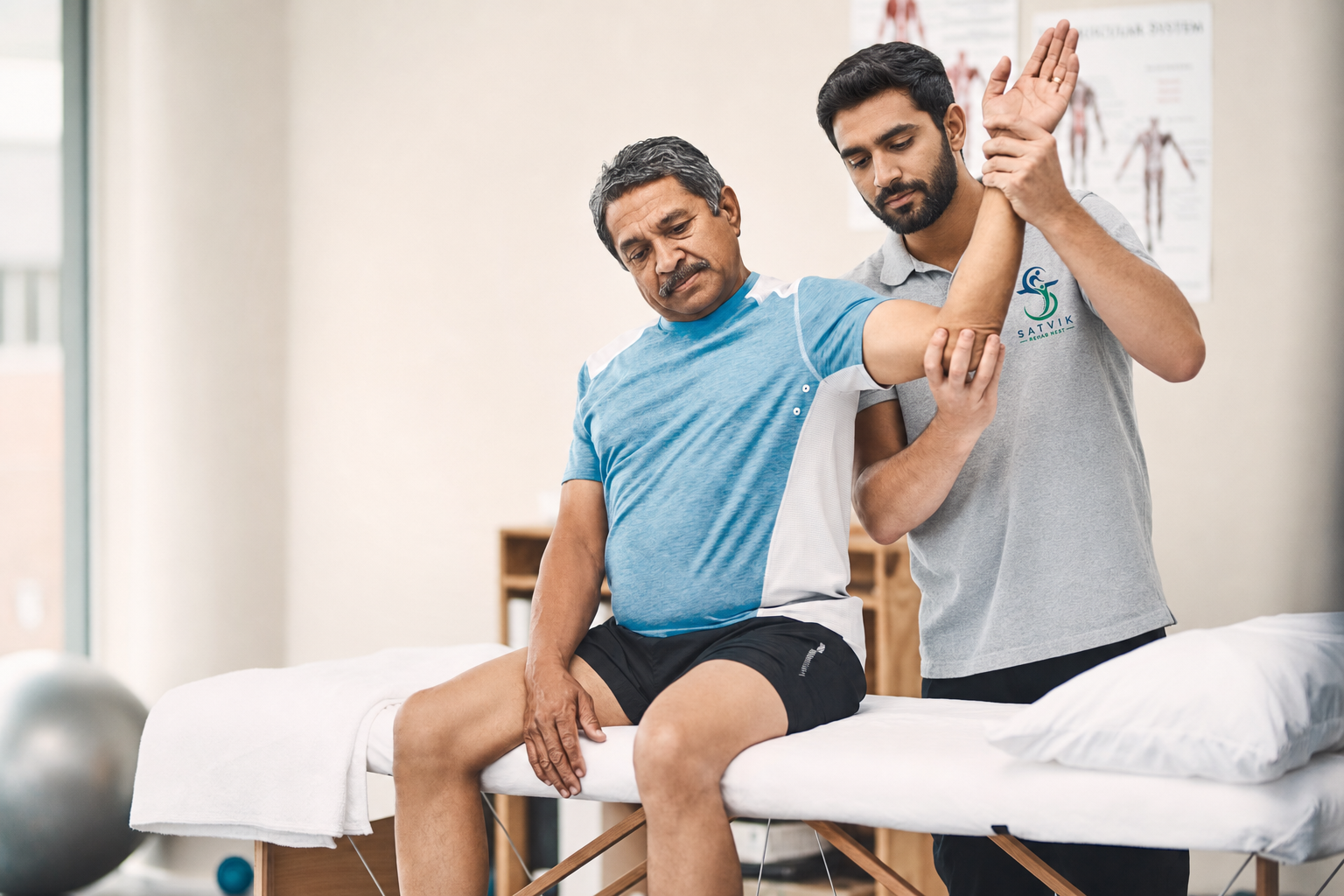
Geriatric rehabilitation is worth starting as soon as a decline in strength, balance, or mobility becomes noticeable, rather than waiting for a fall or hospital admission to prompt it. It's especially important after any fall, even a minor one, since falls are often a sign of an underlying weakness that's likely to recur without intervention. Recovery after a hospital stay, surgery, or a period of illness is another key point to begin, since the muscle and stamina lost during bed rest doesn't return on its own and needs guided, progressive movement to rebuild. It's equally relevant for managing long-standing conditions like arthritis or Parkinson's, where the goal is less about a full recovery and more about maintaining function, independence, and quality of life. If everyday tasks like standing up, walking, or climbing stairs have become noticeably harder over the past few weeks or months, that's generally the point to get it assessed rather than adapt around it.
What Family Can Do to Support Recovery at Home
Schedule Your Free Consultation
Benefits of Seeking Therapy for Geriatric Rehabilitation
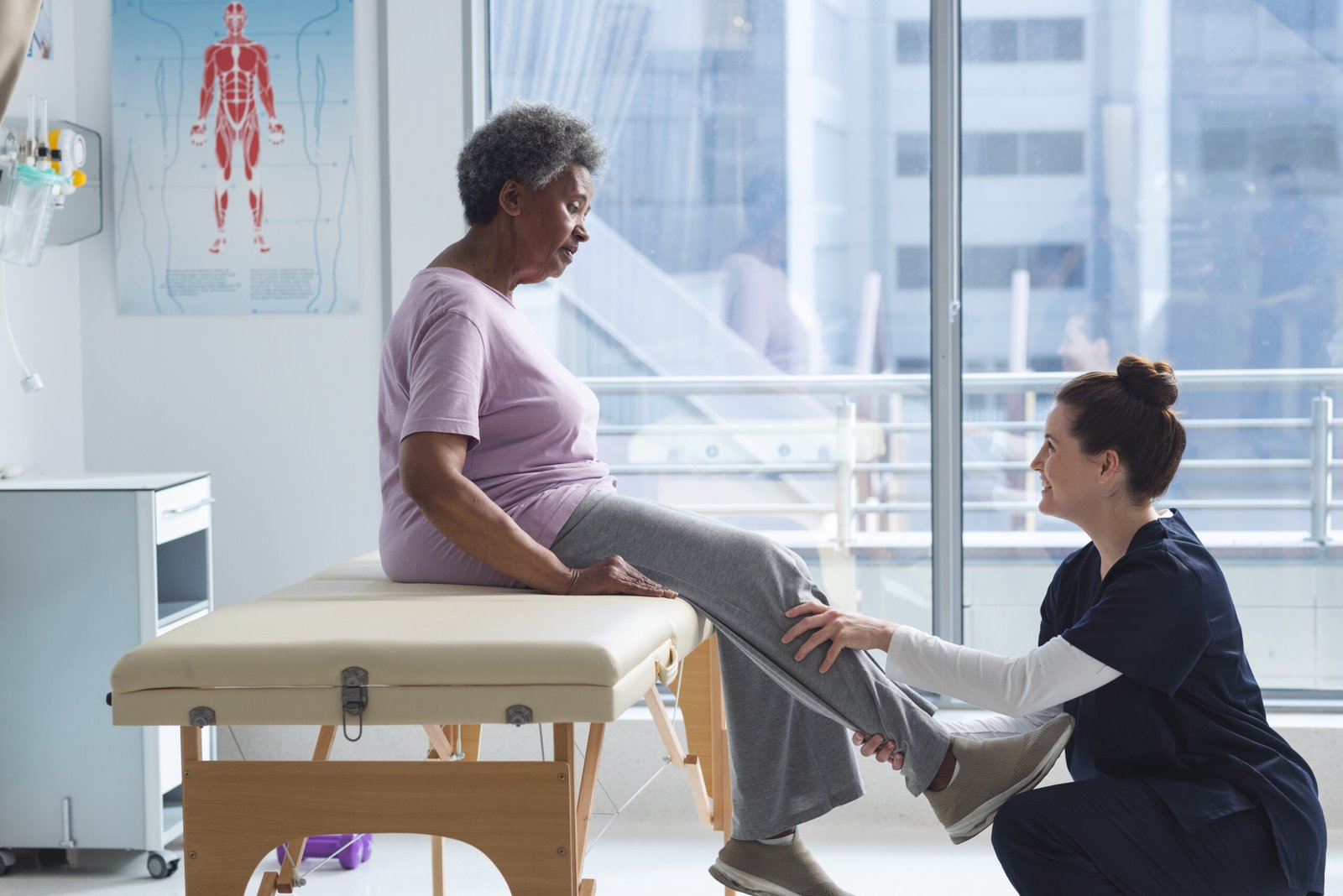
Reduced risk of falls through improved balance and strength
Faster, safer recovery after a hospital stay, illness, or surgery
Better management of pain and stiffness from arthritis or chronic conditions
Greater independence in everyday movement walking, standing, and climbing stairs
Improved confidence in moving without fear of falling
Slower functional decline in progressive conditions like Parkinson's
Better overall quality of life and continued participation in daily activities
What We Offer
Our patients consistently share positive experiences, showcasing.
FAQ's