Geriatric Rehabilitation

Home
Geriatric Rehabilitation

Geriatric Rehabilitation

Home
Geriatric Rehabilitation

About Geriatric Rehabilitation

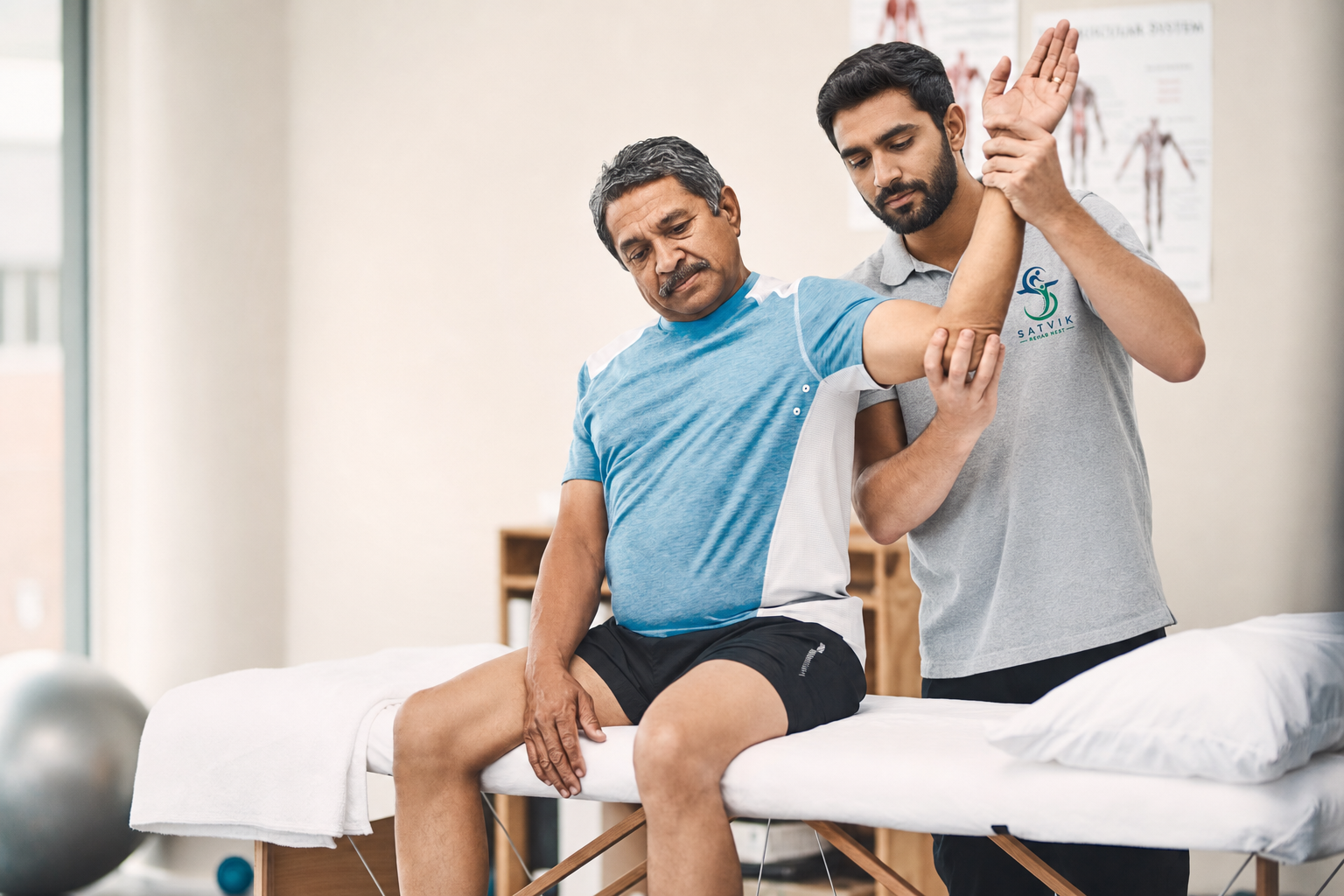
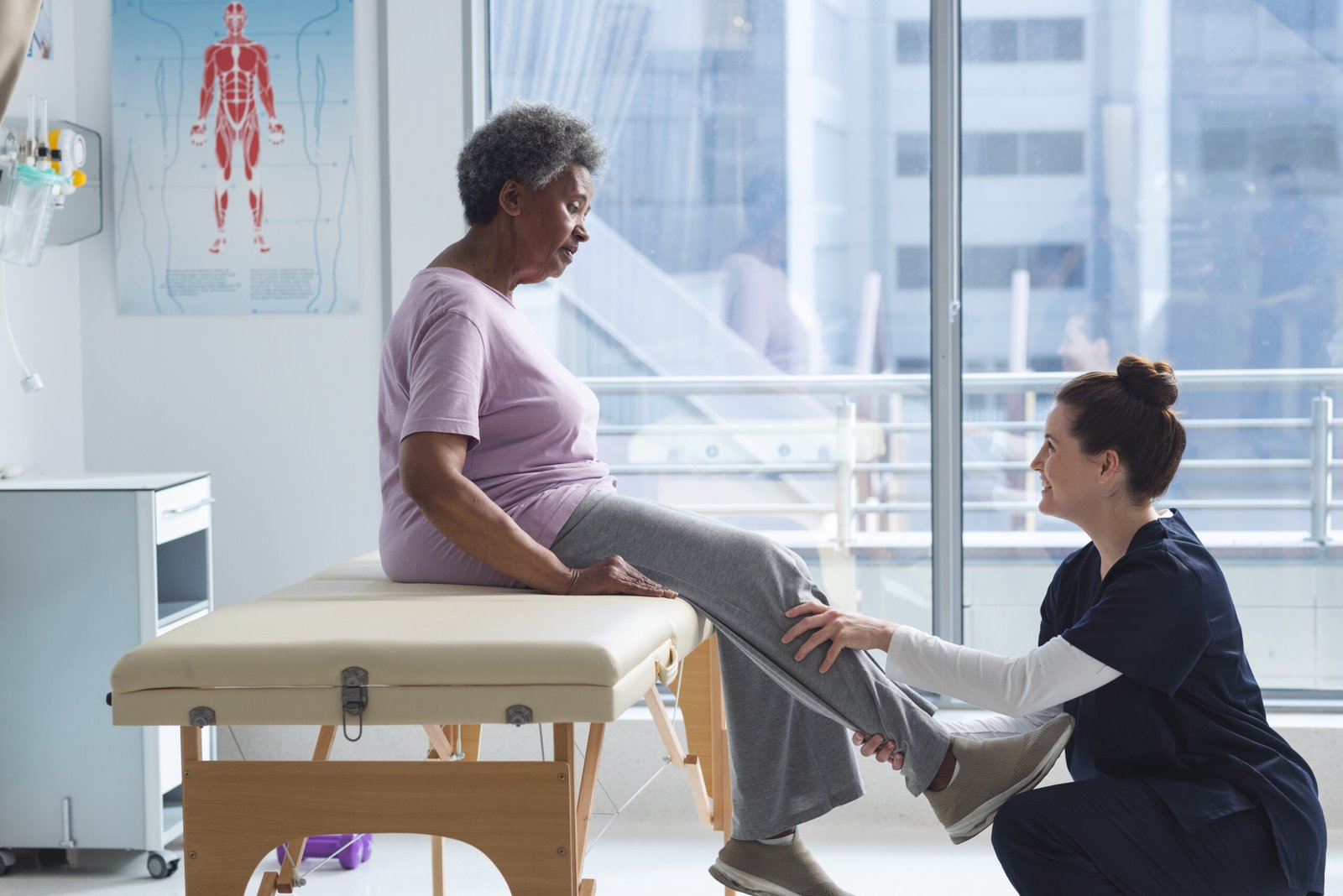
Geriatric rehabilitation is physiotherapy focused on the specific needs of older adults — maintaining strength, balance, and independence as the body changes with age, and recovering function after a fall, illness, surgery, or a period of prolonged inactivity. Unlike general physiotherapy, it accounts for slower healing, multiple existing conditions, and a greater risk of falls, with therapy paced and progressed accordingly.

At Satvik Rehab Nest, this care is delivered at home, which matters most for older adults for whom travel is difficult or risky, and where therapy in a familiar environment builds both physical confidence and comfort with everyday movement.


Common Issues or Concerns

About Geriatric Rehabilitation

Geriatric rehabilitation is physiotherapy focused on the specific needs of older adults — maintaining strength, balance, and independence as the body changes with age, and recovering function after a fall, illness, surgery, or a period of prolonged inactivity. Unlike general physiotherapy, it accounts for slower healing, multiple existing conditions, and a greater risk of falls, with therapy paced and progressed accordingly.

At Satvik Rehab Nest, this care is delivered at home, which matters most for older adults for whom travel is difficult or risky, and where therapy in a familiar environment builds both physical confidence and comfort with everyday movement.


Common Issues or Concerns

Orthopaedic Rehabilitation in Noida, Orthopaedic Physiotherapy at Home in Noida, Orthopaedic Rehabilitation at Home Noida, Home Physiotherapy for Orthopaedic Conditions in Noida, Best Orthopaedic Physiotherapist in Noida, Post Surgery Physiotherapy at Home in Noida, Joint Pain Physiotherapy at Home Noida, Back Pain Physiotherapy at Home in Noida, Knee Pain Physiotherapy at Home Noida, Fracture Rehabilitation at Home in Noida

When Should You Consider Therapy?

Geriatric rehabilitation is worth starting as soon as a decline in strength, balance, or mobility becomes noticeable, rather than waiting for a fall or hospital admission to prompt it. It's especially important after any fall, even a minor one, since falls are often a sign of an underlying weakness that's likely to recur without intervention. Recovery after a hospital stay, surgery, or a period of illness is another key point to begin, since the muscle and stamina lost during bed rest doesn't return on its own and needs guided, progressive movement to rebuild. It's equally relevant for managing long-standing conditions like arthritis or Parkinson's, where the goal is less about a full recovery and more about maintaining function, independence, and quality of life. If everyday tasks like standing up, walking, or climbing stairs have become noticeably harder over the past few weeks or months, that's generally the point to get it assessed rather than adapt around it.

What Family Can Do to Support Recovery at Home

Recovery isn’t limited to therapy sessions what happens in between them matters just as much. A few consistent habits at home can meaningfully support the process.

Encourage the exercise routine given by the therapist, even on days progress feels slow

Make the home safer: clear walking paths, add non-slip mats and good lighting, and secure loose rugs or wires

Assist with mobility safely rather than doing everything encouraging supported independence rebuilds strength and confidence

Watch for signs of fatigue or overexertion, and allow rest when needed instead of pushing through

Keep a simple, consistent daily routine of movement, meals and rest

Be patient with slow or uneven progress recovery timelines vary with age and existing conditions

Note any new pain, dizziness, or a fall, and share it with the therapist promptly

Acknowledge small wins walking a few extra steps or standing unaided is real progress

Schedule Your Free Consultation

Benefits of Seeking Therapy for Geriatric Rehabilitation

Reduced risk of falls through improved balance and strength

Faster, safer recovery after a hospital stay, illness, or surgery

Better management of pain and stiffness from arthritis or chronic conditions

Greater independence in everyday movement walking, standing, and climbing stairs

Improved confidence in moving without fear of falling

Slower functional decline in progressive conditions like Parkinson's

Better overall quality of life and continued participation in daily activities

What We Offer

Home-Based, One-on-One Physiotherapy

Each session is held in the patient's home no travel or waiting rooms, and therapy is conducted in the actual environment they need to move safely in.

Personalised, Goal-Based Rehabilitation Plans

Plans are built around specific functional goals like walking independently or getting up from a chair safely, paced to the person's condition and stamina, not a fixed protocol.

Coordinated Care with Doctors and Specialists

Rehabilitation plans are aligned with the patient's treating doctor's notes and existing conditions, so therapy supports their broader medical care rather than working in isolation.

Ongoing Progress Tracking and Plan Adjustment

Progress is reviewed regularly, and the plan is adjusted as strength, balance, and confidence change rather than continuing a plan that isn't working.

Our patients consistently share positive experiences, showcasing.

“Dr. Sunil Tyagi is an excellent physiotherapist specialising in orthopaedic rehabilitation across Noida and NCR. His friendly and gentle approach makes every session comfortable, while his personalised care and expertise support a smooth and confident recovery.”

Rajeev Chaurasiya

“After my joint replacement, travelling to a clinic was nearly impossible. Dr. Nawaz’s home visits were a true blessing. He is punctual, respectful, and incredibly encouraging. His systematic approach and personalised exercise routine helped me regain my mobility and get back on my feet faster than expected. I’m truly grateful for his care and support.”

Ashad Gauri

“I had a really good experience at Satvik Rehab Nest. The physiotherapy sessions were effective, and the staff was professional, friendly, and attentive throughout. They took the time to understand my concerns and guided me through the exercises and treatment in a comfortable and supportive manner. The overall environment was clean, welcoming, and positive. Highly recommended for anyone looking for quality physiotherapy and rehabilitation services.”

Nikhil Verma

“I was suffering from a frozen shoulder and received physiotherapy treatment from Dr. Shubham. He was highly professional, patient, and explained each exercise clearly. With regular sessions, I experienced significant improvement in my shoulder movement and pain. I’m truly thankful to Dr. Shubham for his excellent treatment, guidance, and support. Highly recommended!”

Charu Ayub

FAQ's

What conditions does geriatric rehabilitation treat?

Fall recovery, general deconditioning after illness or hospital stay, arthritis and joint stiffness, balance and mobility decline, and functional decline linked to conditions like Parkinson’s.

The therapy follows the same clinical principles — the difference is where it happens. Home-based rehab removes the risk and difficulty of travelling with limited mobility, and lets the therapist address real, everyday movement in the patient’s own space

As early as a doctor clears movement, often within the first few days. Starting early generally prevents further deconditioning and reduces the risk of another fall.

It varies by condition, overall health, and consistency of therapy. A realistic timeline is given after the first assessment, based on the specific goals set.

A referral isn’t mandatory, but sharing existing medical history, medications, and any recent hospital or surgical notes helps build a safer, more coordinated rehab plan from the first visit.

A conversation about medical history, current conditions, and daily challenges, followed by a functional assessment of strength, balance, and mobility — not a generic fitness test.

Yes. For long-term conditions like arthritis or Parkinson’s, therapy focuses on maintaining function, slowing decline, and preserving independence, rather than short-term recovery alone.

Scroll to Top