About Orthopaedic Rehabilitation
Common Issues or Concerns
About Orthopaedic Rehabilitation
Common Issues or Concerns
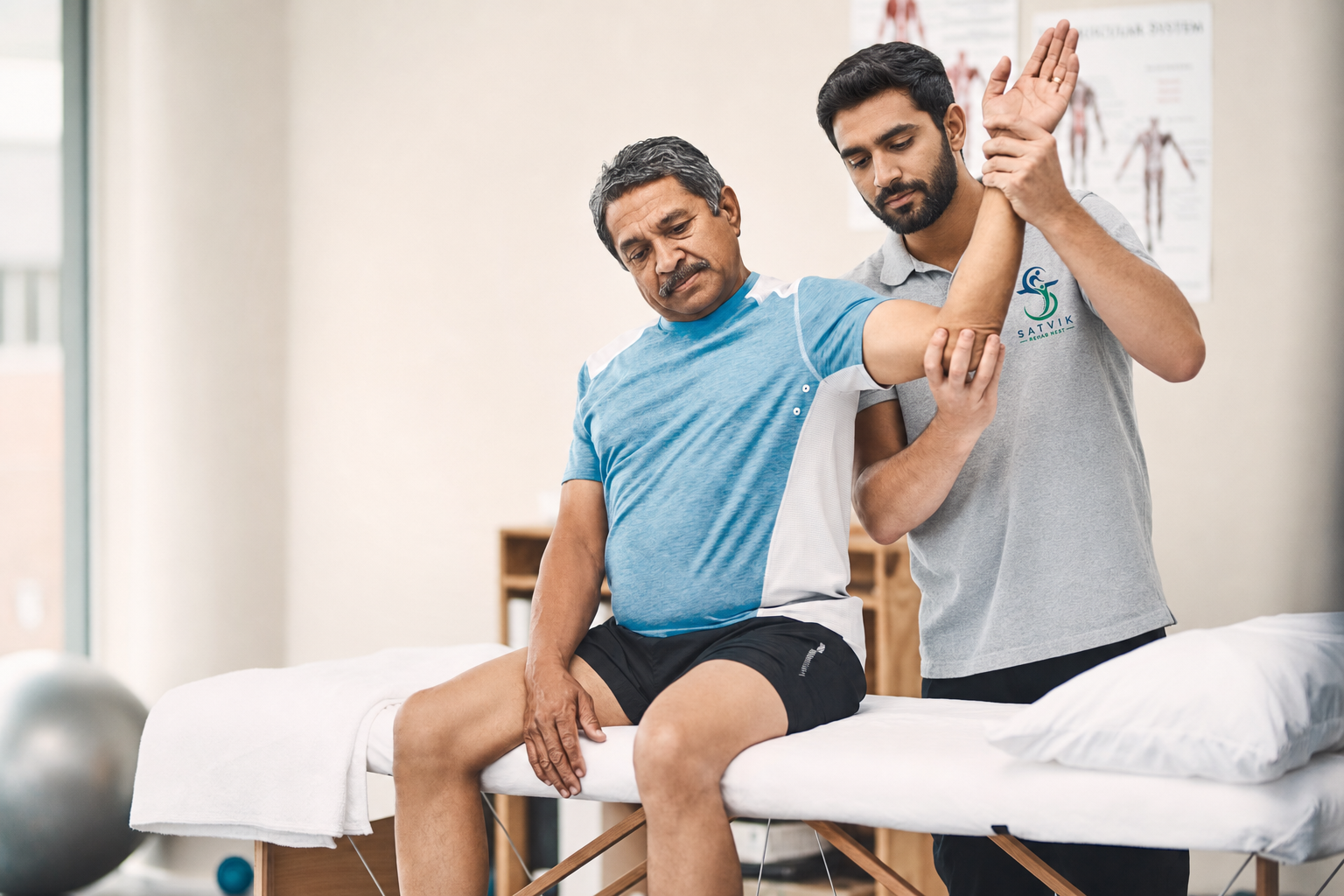
When Should You Consider Therapy?
Orthopaedic rehab is usually most effective when it starts as soon as a doctor or surgeon gives clearance to begin movement often within days of surgery, not weeks after. It's equally relevant after a fracture heals and a cast comes off, when the joint is stiff and the muscles around it have weakened from disuse. Chronic conditions like osteoarthritis or long-standing back pain are also worth addressing with structured therapy rather than just pain management, especially when stiffness or discomfort is starting to limit everyday activities like walking, climbing stairs, or sitting comfortably. And if pain or limited movement has persisted for more than a couple of weeks without improvement, that's generally a sign to get it assessed rather than wait it out.
What Family Can Do to Support Recovery at Home
Schedule Your Free Consultation
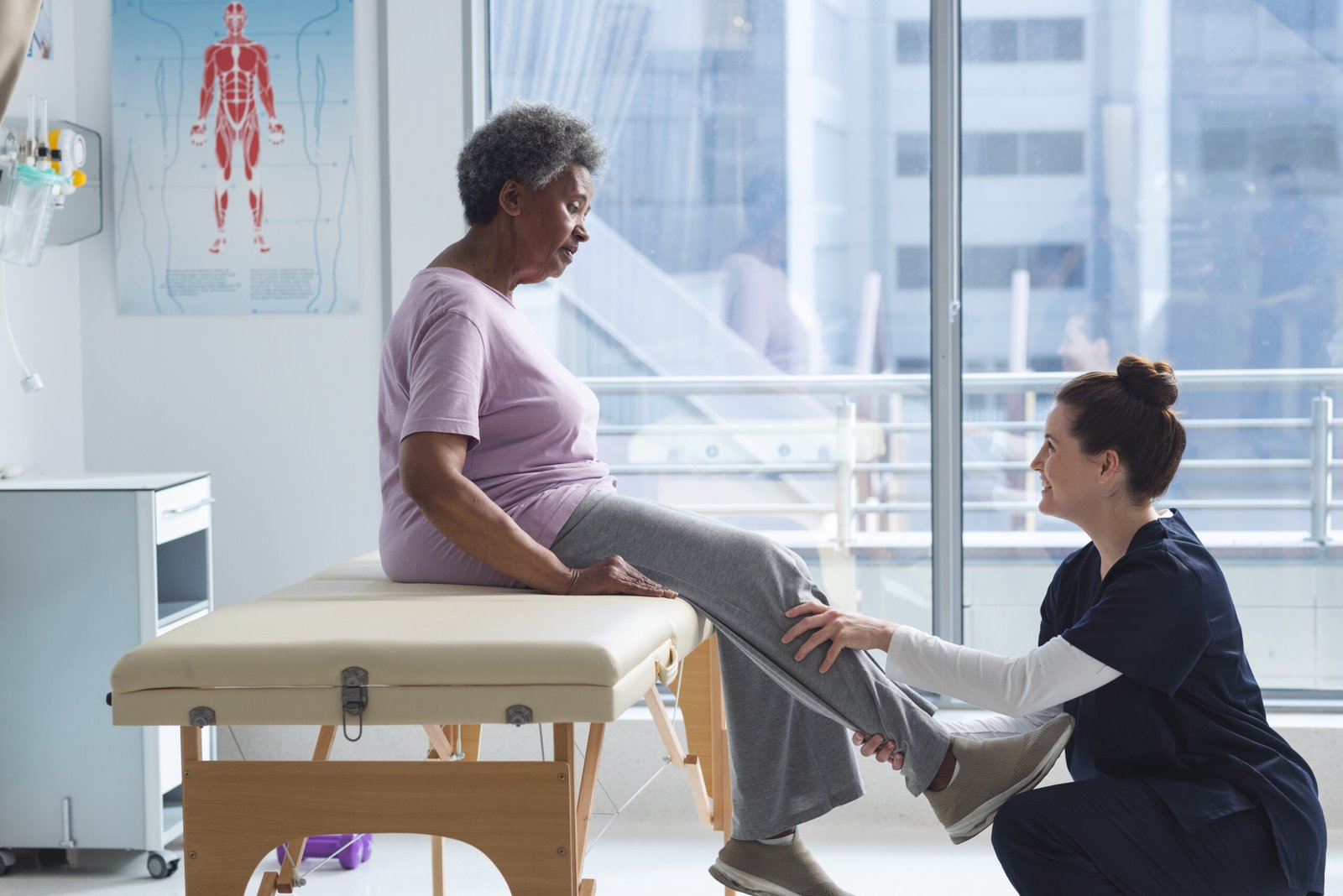
Benefits of Seeking Therapy for Orthopaedic Rehabilitation
Faster return to normal movement and daily activities after surgery or injury.
Reduced pain and stiffness through guided, progressive movement.
Lower risk of re-injury by rebuilding strength and stability correctly, not just resting until it feels better.
Prevention of long-term compensations where favoring one side or joint creates new problems elsewhere.
Better outcomes from surgery, since post-operative rehab is often what determines the final result, not just the operation itself
Therapy and progress tracked against real, functional goals like climbing stairs or lifting without pain not generic exercise counts.
Improved independence and confidence in daily movement.
What We Offer
Our patients consistently share positive experiences, showcasing.
FAQ's